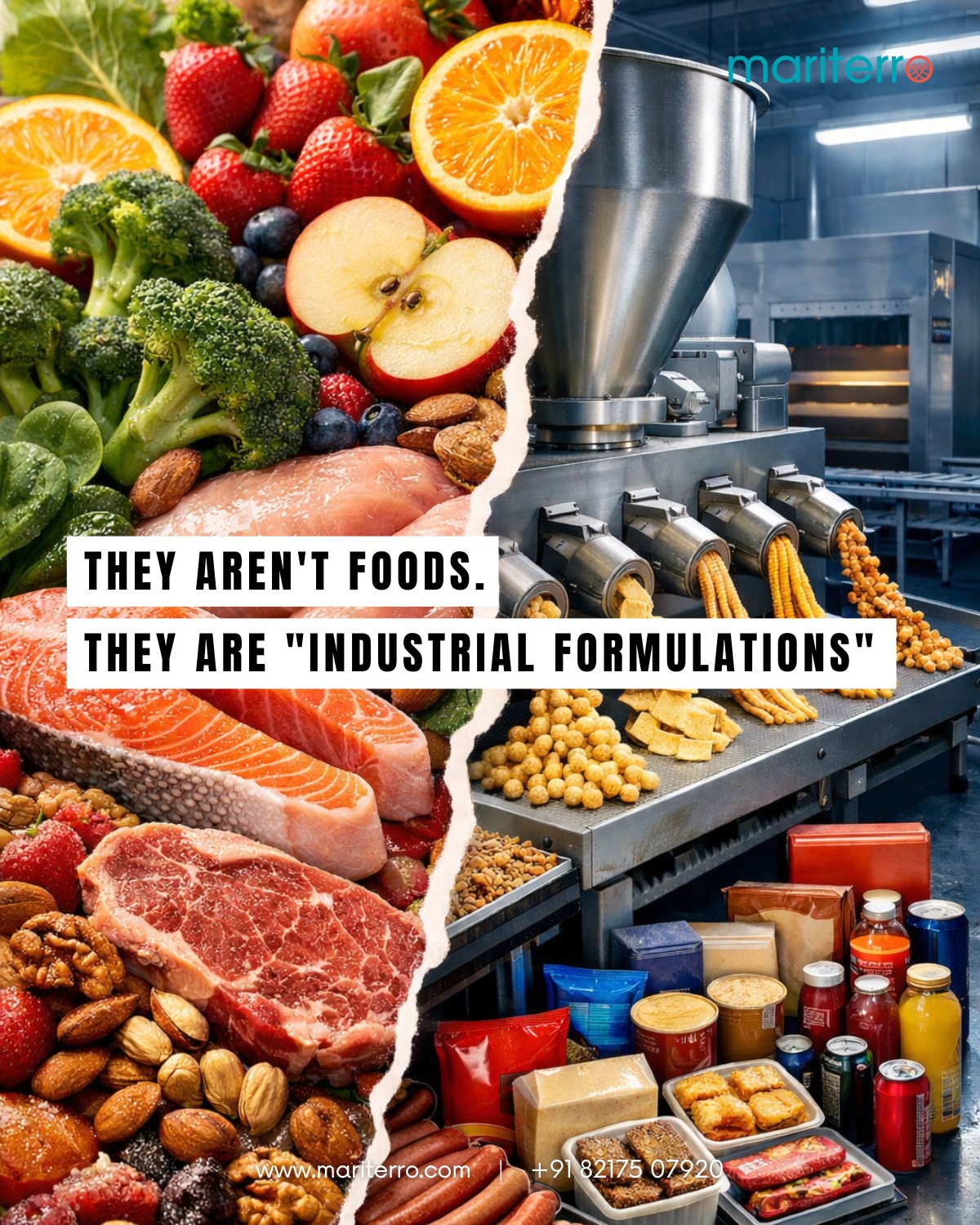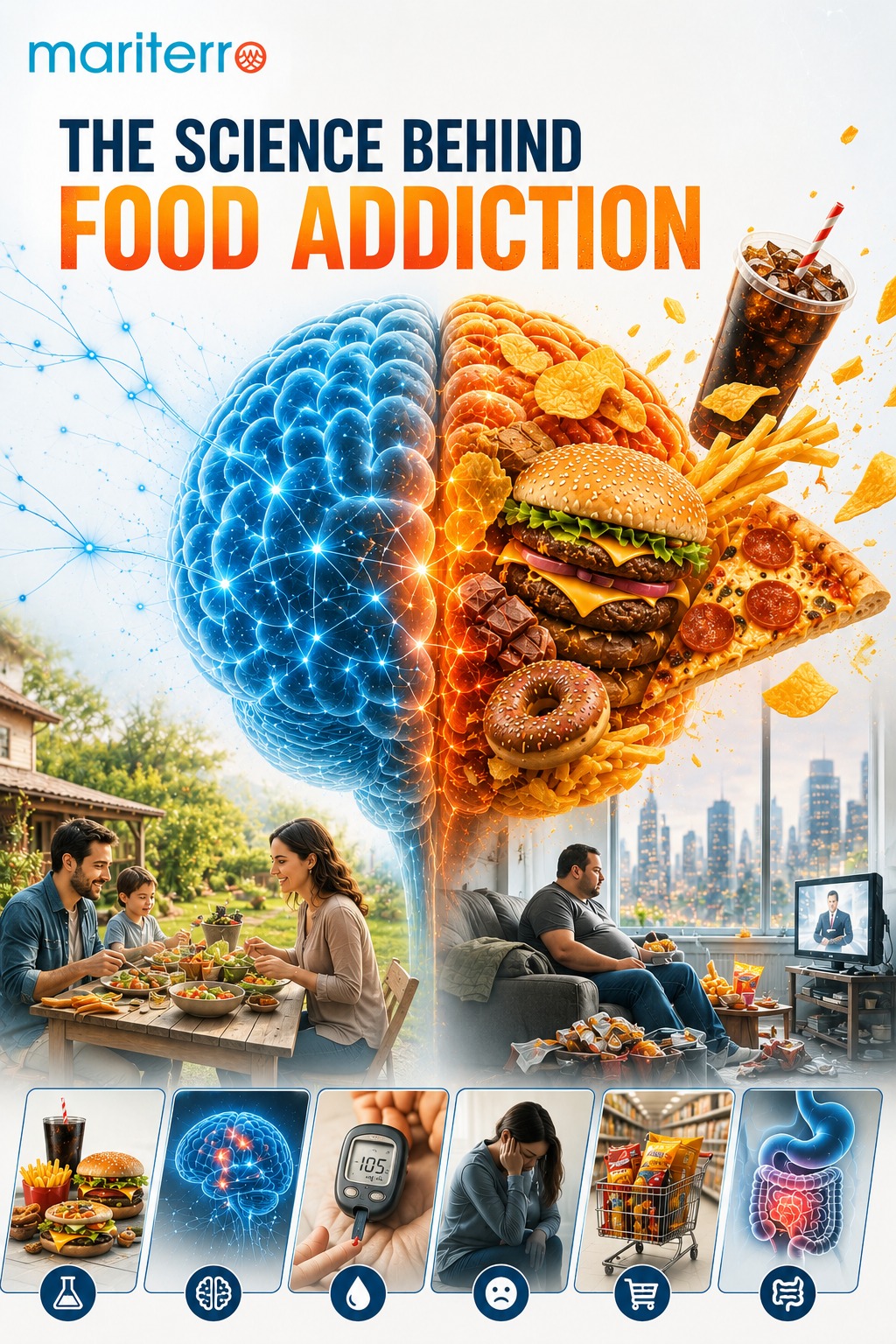
Consumers are becoming more conscious of what they eat and how it is processed. The shift toward minimally processed foods reflects a deeper understanding of nutrition, health, and transparency.
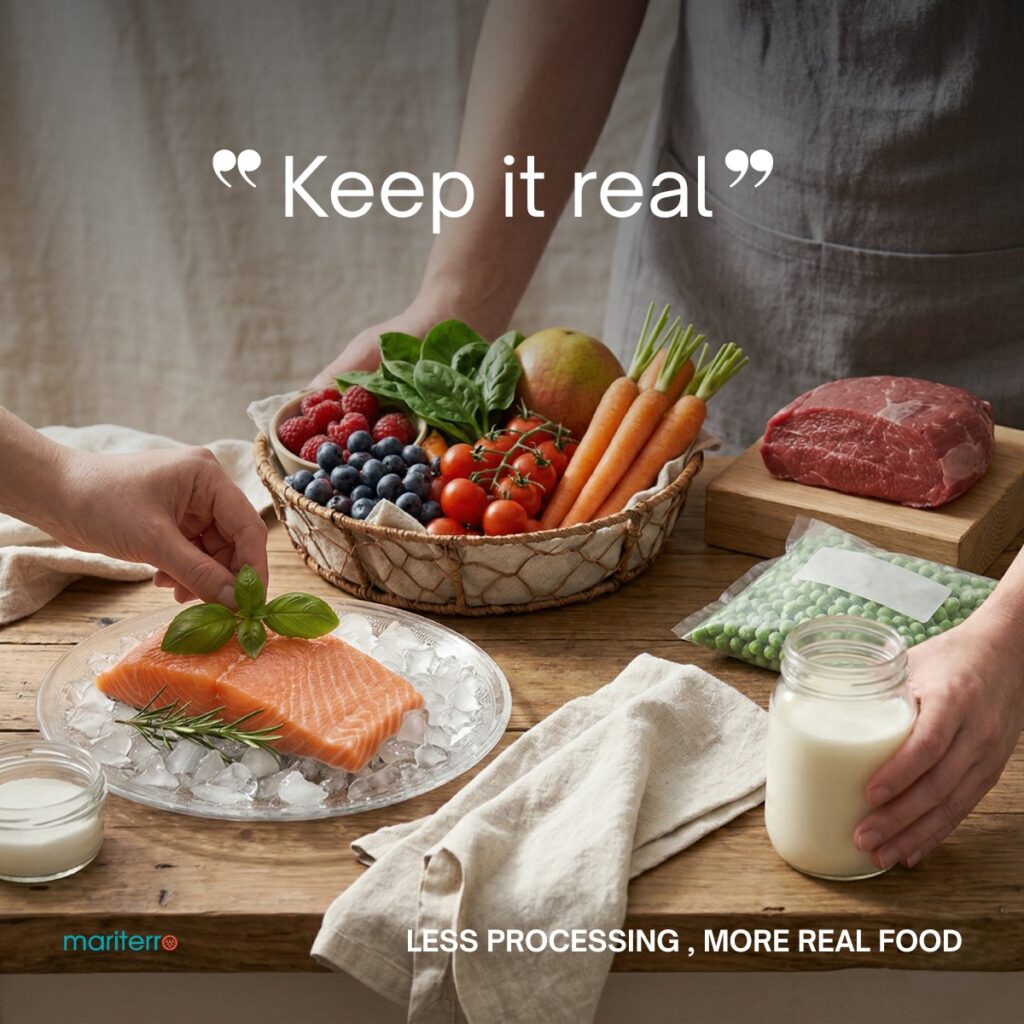
Choosing fresh food is no longer just a lifestyle choice—it is becoming a necessity in a world dominated by ultra processed options.
Conclusion
The future of food lies in simplicity, transparency, and integrity. Fresh food and minimally processed foods offer a powerful alternative to ultra processed food, supporting better health and sustainable food systems.
With the rise of digital traceability and global fresh food networks, consumers now have the tools to make more informed and healthier choices.
What is the difference between fresh food and ultra processed food?
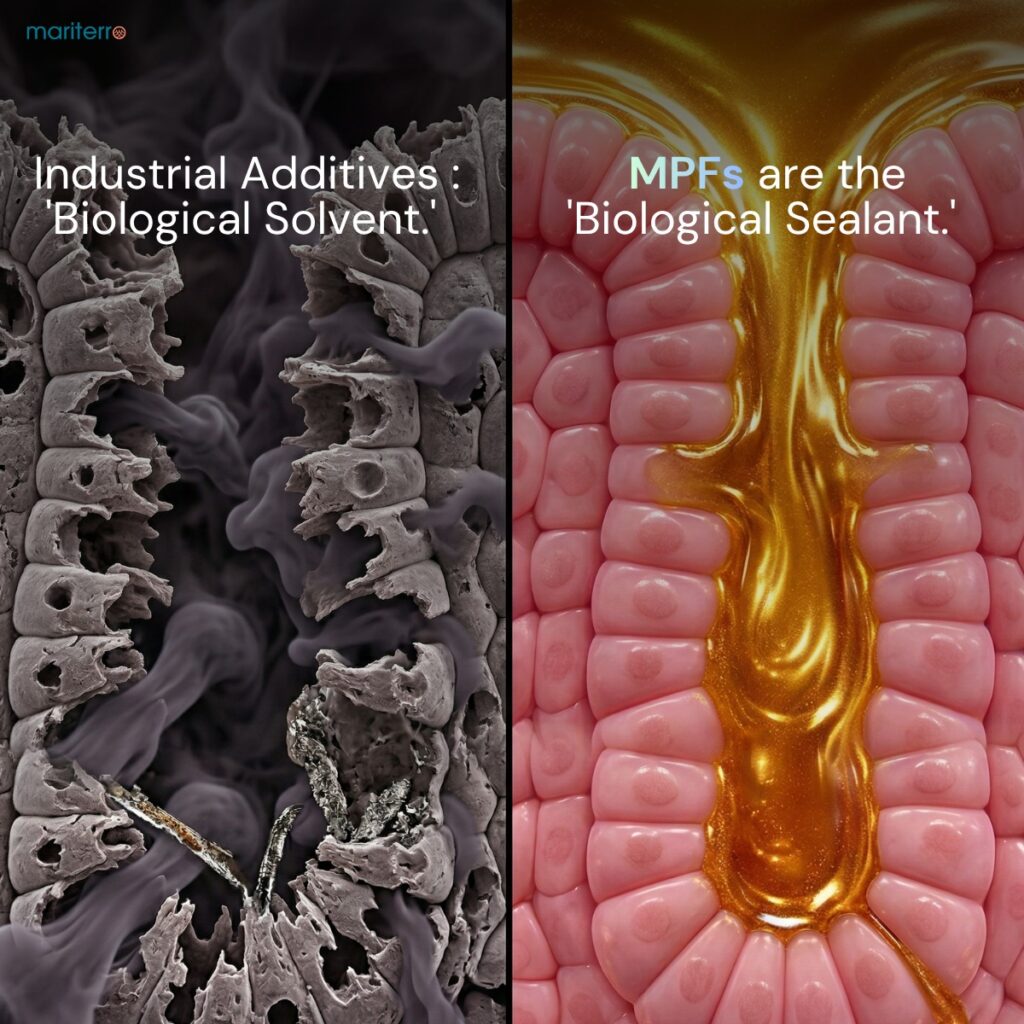
Fresh food is natural and minimally altered, while ultra processed food contains artificial ingredients, additives, and preservatives that significantly change its original form and nutritional value.
Are minimally processed foods healthier than ultra processed foods?
Yes, minimally processed foods retain natural nutrients and support better digestion, metabolism, and overall health compared to ultra processed foods.
What is digital traceability in the food industry?
Digital traceability is a system that tracks food from its source to the consumer, ensuring transparency, safety, and quality in the supply chain.
Why is global fresh food important today?
Global fresh food systems ensure access to high-quality, nutrient-rich foods worldwide, supported by advanced logistics and traceability technologies.
Can switching to fresh food improve health?
Yes, replacing ultra processed food with fresh and minimally processed foods can improve gut health, reduce inflammation, and support metabolic balance.