Blogs & Events

2026 · MARITERRO FOOD SOLUTIONS

Blue Gold and the $16 Gap:

Why India Is Surrendering Billions from Its Own Waters

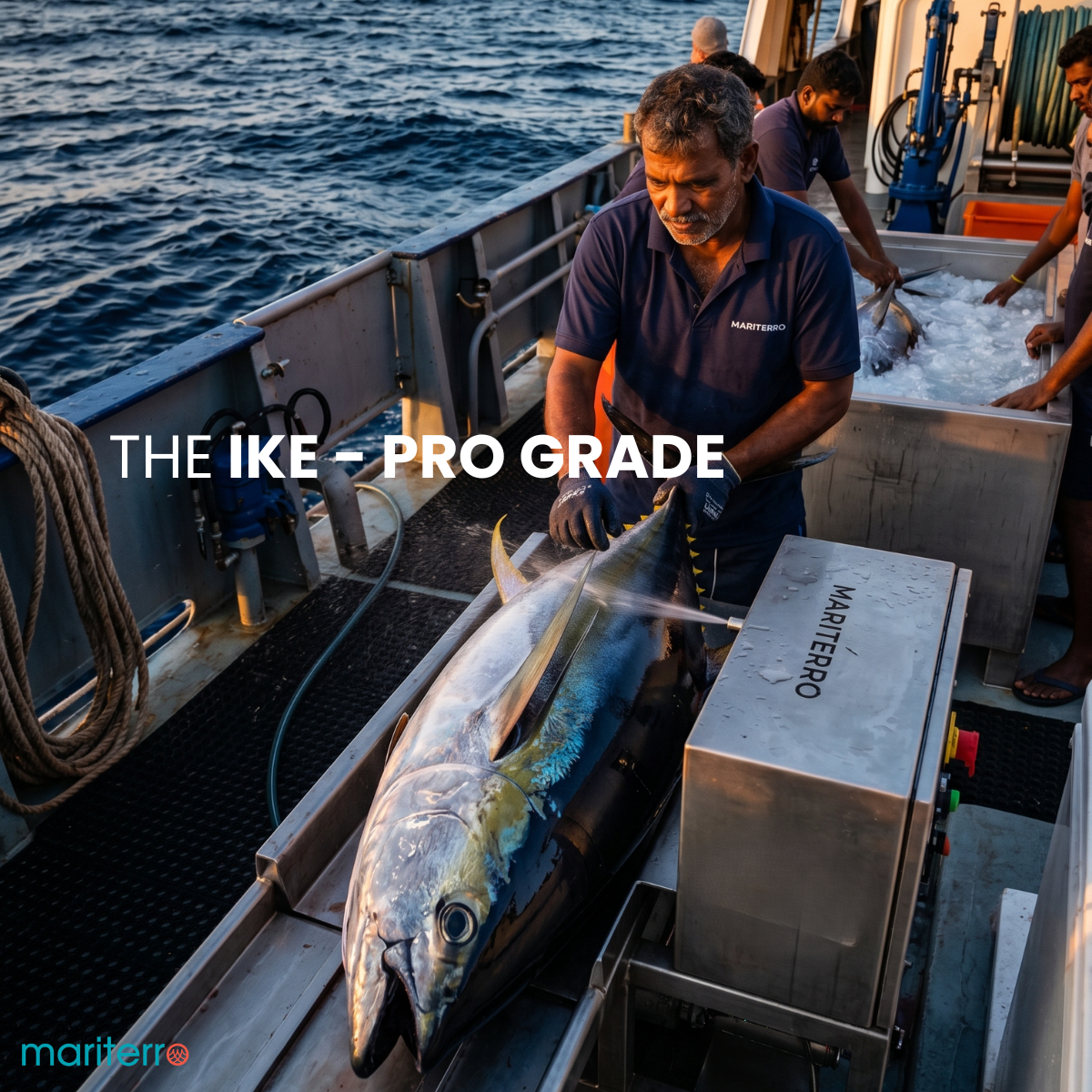
India holds one of the world’s richest yellowfin tuna grounds — yet the majority of its catch is sold at commodity prices that barely cover fuel costs. The gap between what India earns and what it could earn is not a fishing problem. It is a protocol problem, a compliance problem, and an infrastructure problem. All three are solvable. And the opportunity they unlock is measured in billions.

Click to read more.


Our founder, Mr. Rajesh K, addressed the World Food India 2025 event on Sustainable Fisheries & ESG Integration for Viksit Bharat, organized by the Department of Fisheries — Government of India. His talk explored digital innovation, traceability, and sustainability shaping the future of India’s Blue Economy.

2026 · MARITERRO FOOD SOLUTIONS

The Ultra-Processed Food Crisis

How Modern Food Engineering Is Quietly Disrupting Human Biology

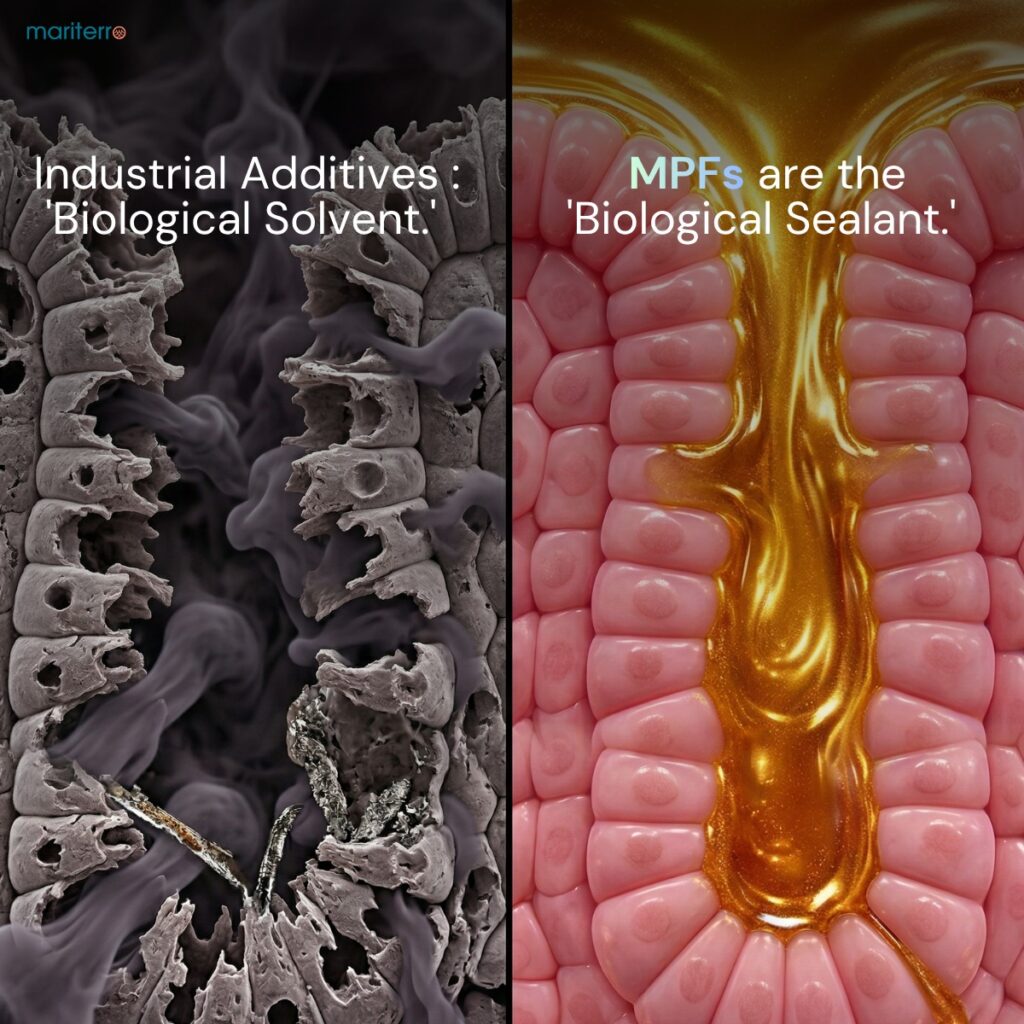
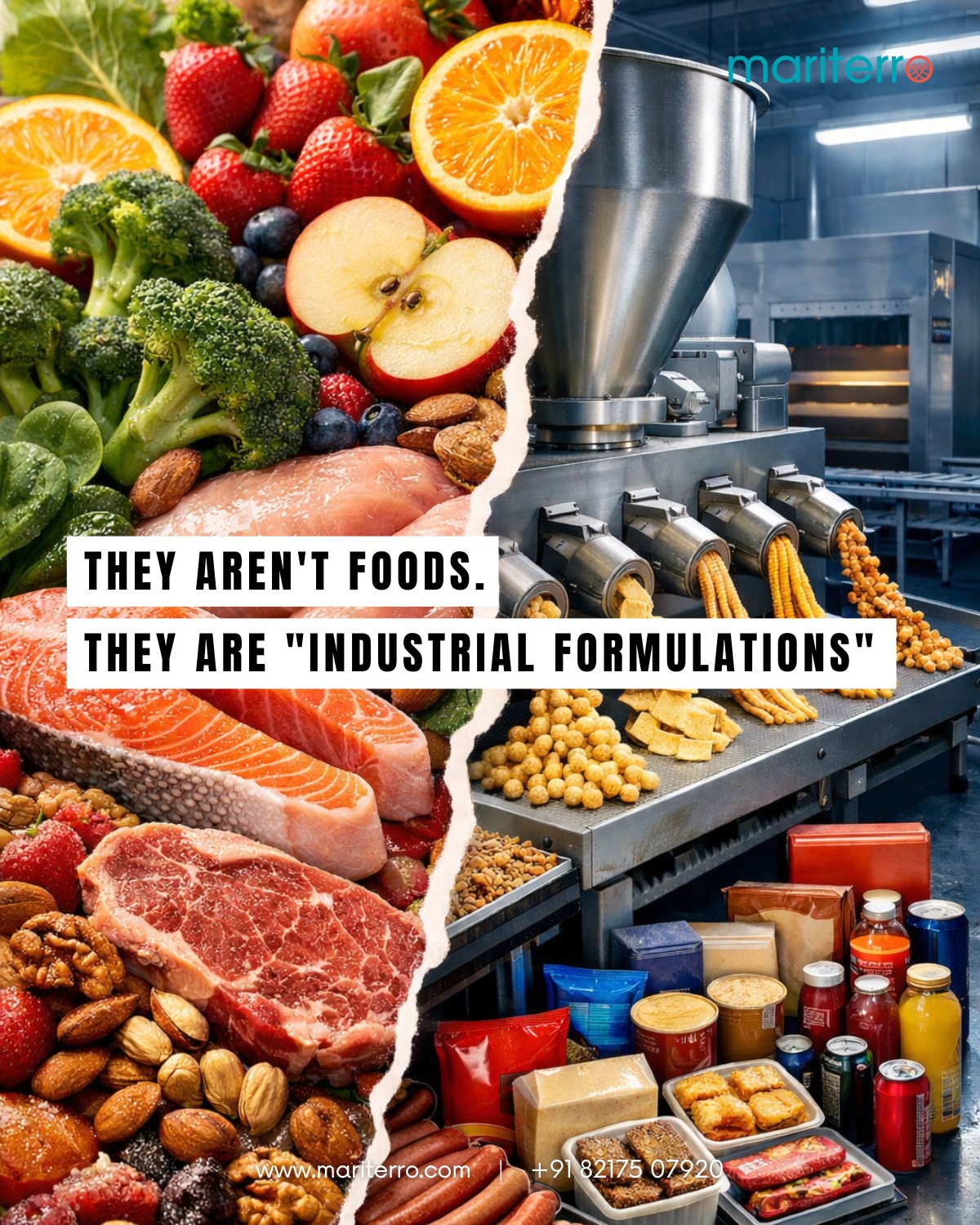
The conversation around junk food has always centred on calories. Eat too many, exercise too little — that’s the story we’ve been told. But researchers at Johns Hopkins, Deakin University, and the BMJ aren’t talking about calories anymore. They’re talking about something far more structural: the systematic biological damage caused by ultra-processed foods (UPFs).

UPFs aren’t just nutritionally poor. They are biologically disruptive — products engineered with industrial emulsifiers, synthetic flavour enhancers, refined starches, and preservatives that have no equivalent in any home kitchen. Think flavoured breakfast cereals, packaged protein bars, instant noodles, energy drinks, and most fast food. Per the NOVA food classification system, these aren’t really food in any ancestral sense. They are food-like constructions optimised for shelf life, palatability, and profit — with human health as an afterthought.

Click to read more.

2026 · MARITERRO FOOD SOLUTIONS

Fresh Food vs Ultra Processed Food: 

Why Minimally Processed Foods Are the Future of Global Nutrition (2026)

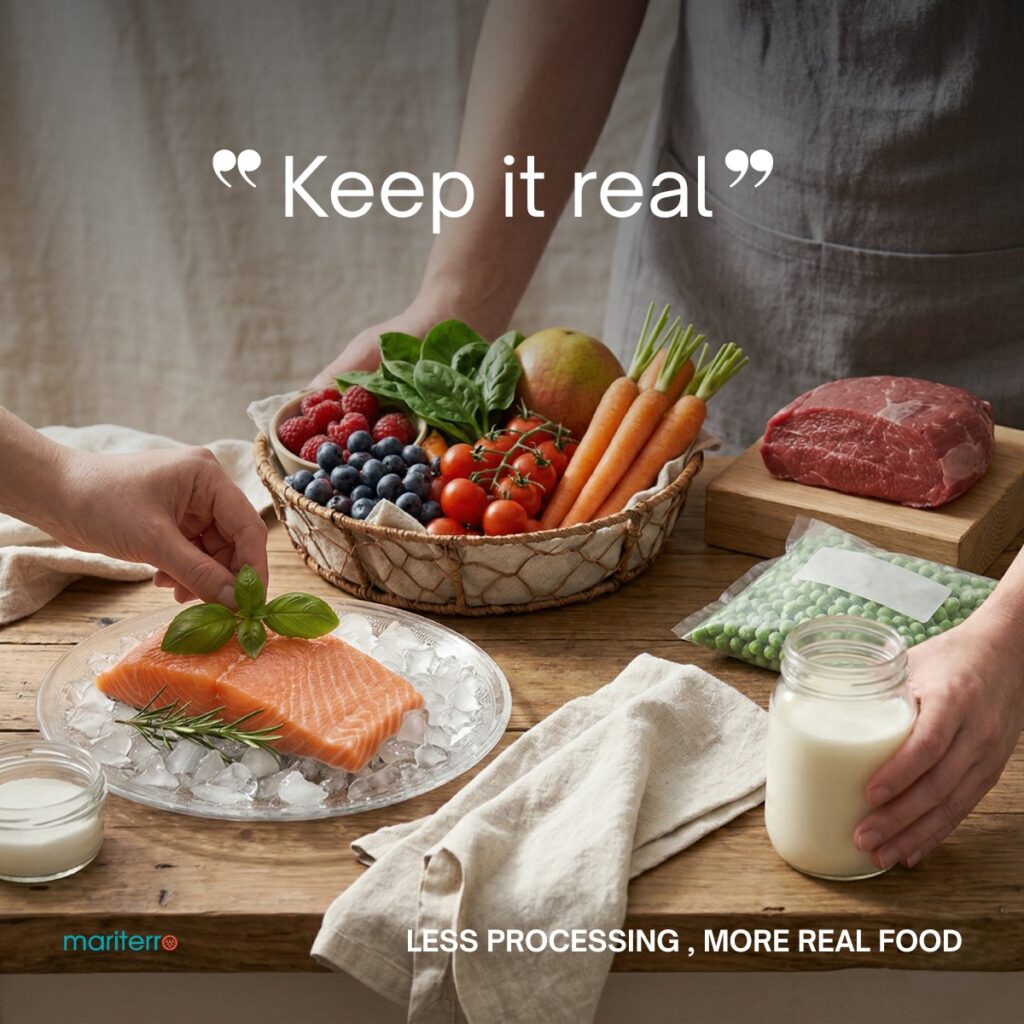
The global food system is undergoing a fundamental transformation. As scientific evidence mounts against ultra-processed products, consumers and industries alike are turning toward fresh and minimally processed foods as the cornerstone of better health. In 2026, this is no longer a trend — it is a paradigm shift driven by biology, transparency, and digital traceability. The focus has decisively moved from convenience to biological compatibility: food that supports the body rather than disrupts it.

Click to read more.

Ultra processed food vs minimally processed fresh food comparison showing impact on gut health and digestion
what-is-minimally-processed-food-fresh-vs-ultra-processed-2026

2026 · MARITERRO FOOD SOLUTIONS

What Does “Minimally Processed Food” Really Mean? 

Not all processed food is harmful. The real issue begins when food is engineered rather than simply prepared.

Minimally Processed Foods (MPFs) are foods that remain close to their natural state. They undergo basic preparation methods—like cleaning, cutting, chilling, or pasteurization—without altering their core structure or nutritional integrity.

Click to read more.

 2026 · MARITERRO FOOD SOLUTIONS

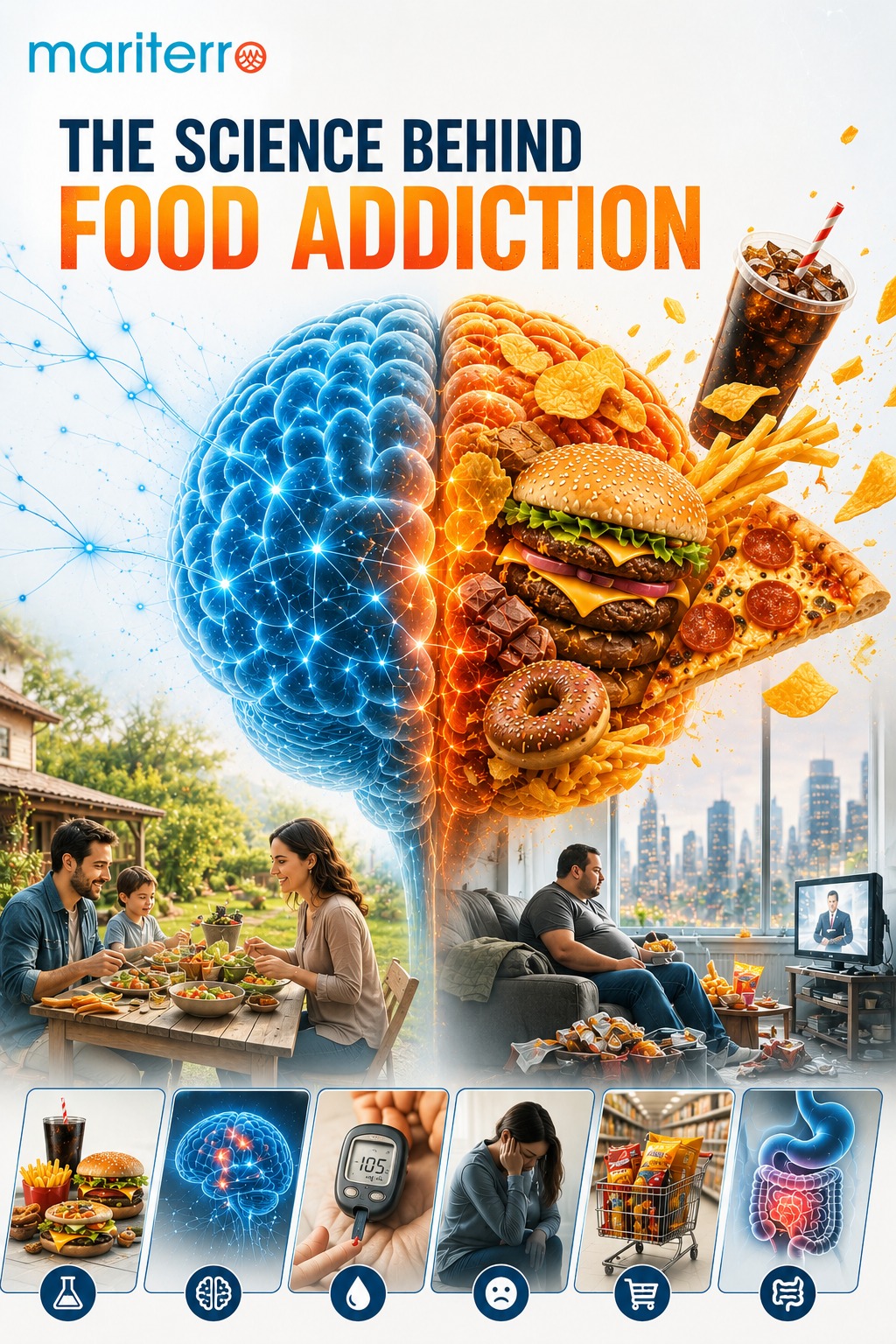
The Science Behind Food Addiction:

How Ultra-Processed Foods Rewire the Brain

We have all been there: intending to eat one cookie and ending up at the bottom of the bag. While we often blame a lack of willpower, science reveals a more calculated culprit. Food addiction is not a personal failing — it is the result of sophisticated food engineering designed to bypass our natural fullness signals. Modern ultra-processed foods are literally changing the way our brains function. Here is how it happens — and how you can take control back.

Click to read more.

 2026 · MARITERRO FOOD SOLUTIONS

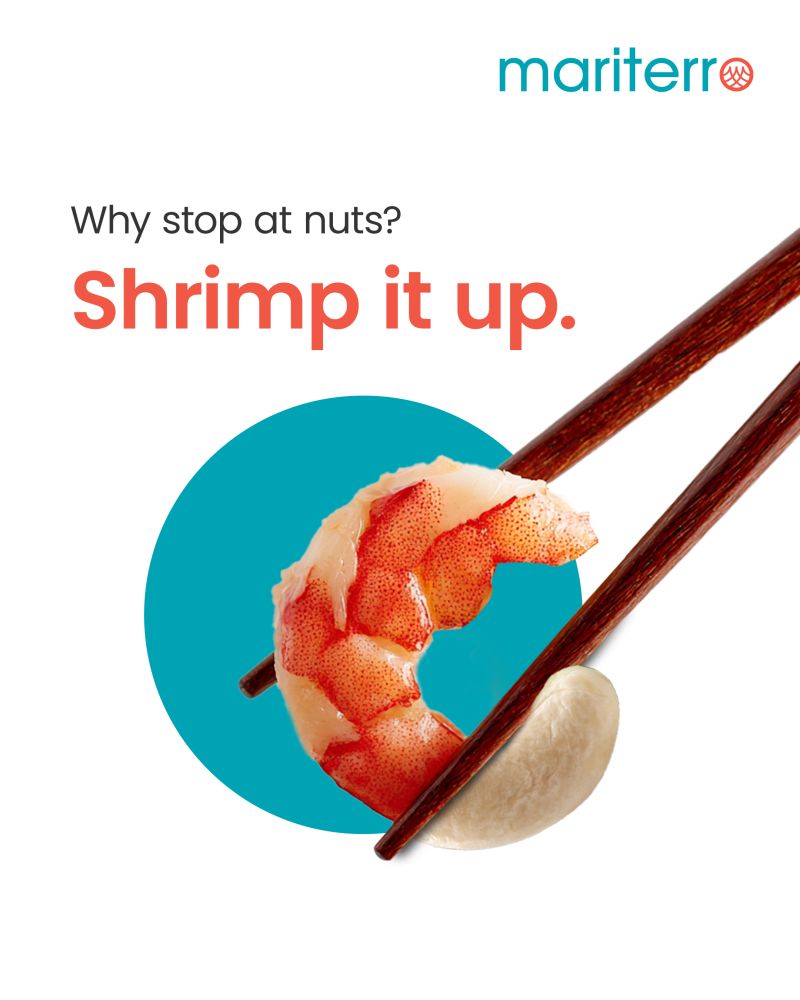
Shrimp vs. Cashew Nut 

Unpacking India’s Surprising Market Dynamics

Despite their biological differences, shrimp and cashew nuts share notable similarities, particularly in their culinary uses. Which powerhouse dominates India’s market: the coastal shrimp or the versatile cashew nut? The answer is more complex and fascinating than you might think.


Here’s a quick facts check: 

The Nutritional Powerhouse: While both are excellent protein sources, shrimp offers a superior profile in key areas. – It has a higher protein content, with around 24g per 100g compared to 18g for cashews. – Shrimp is a good source of Omega-3 fatty acids, which may support heart and brain health but Cashews are not a primary source of that. – Shrimp provides vital micronutrients not found in cashews, as it is an excellent source of Iodine and a significant source of Vitamin B12

Click to read more.

send an enquiry

Tell us more about your requirement.

Our Team will get touch with you in 24 Hours