Blogs & Events

MAY 2, 2026 · MARITERRO FOOD SOLUTIONS

Blue Gold and the $16 Gap:

Why India Is Surrendering Billions from Its Own Waters

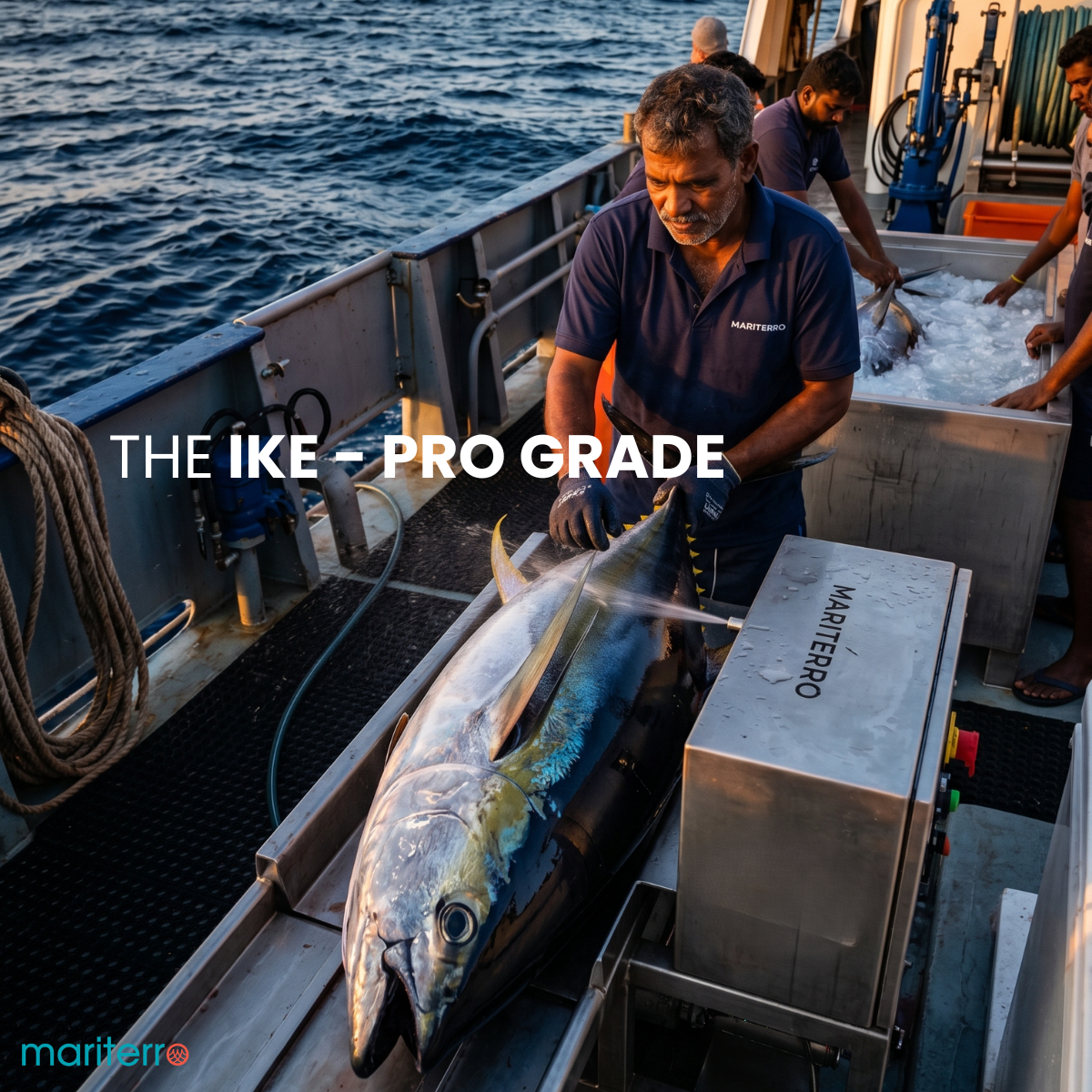
India holds one of the world’s richest yellowfin tuna grounds — yet the majority of its catch is sold at commodity prices that barely cover fuel costs. The gap between what India earns and what it could earn is not a fishing problem. It is a protocol problem, a compliance problem, and an infrastructure problem. All three are solvable. And the opportunity they unlock is measured in billions.

Click to read more.

Our founder, Mr. Rajesh K, addressed the World Food India 2025 event on Sustainable Fisheries & ESG Integration for Viksit Bharat, organized by the Department of Fisheries — Government of India. His talk explored digital innovation, traceability, and sustainability shaping the future of India’s Blue Economy.

2026 · MARITERRO FOOD SOLUTIONS

What Does “Minimally Processed Food” Really Mean?

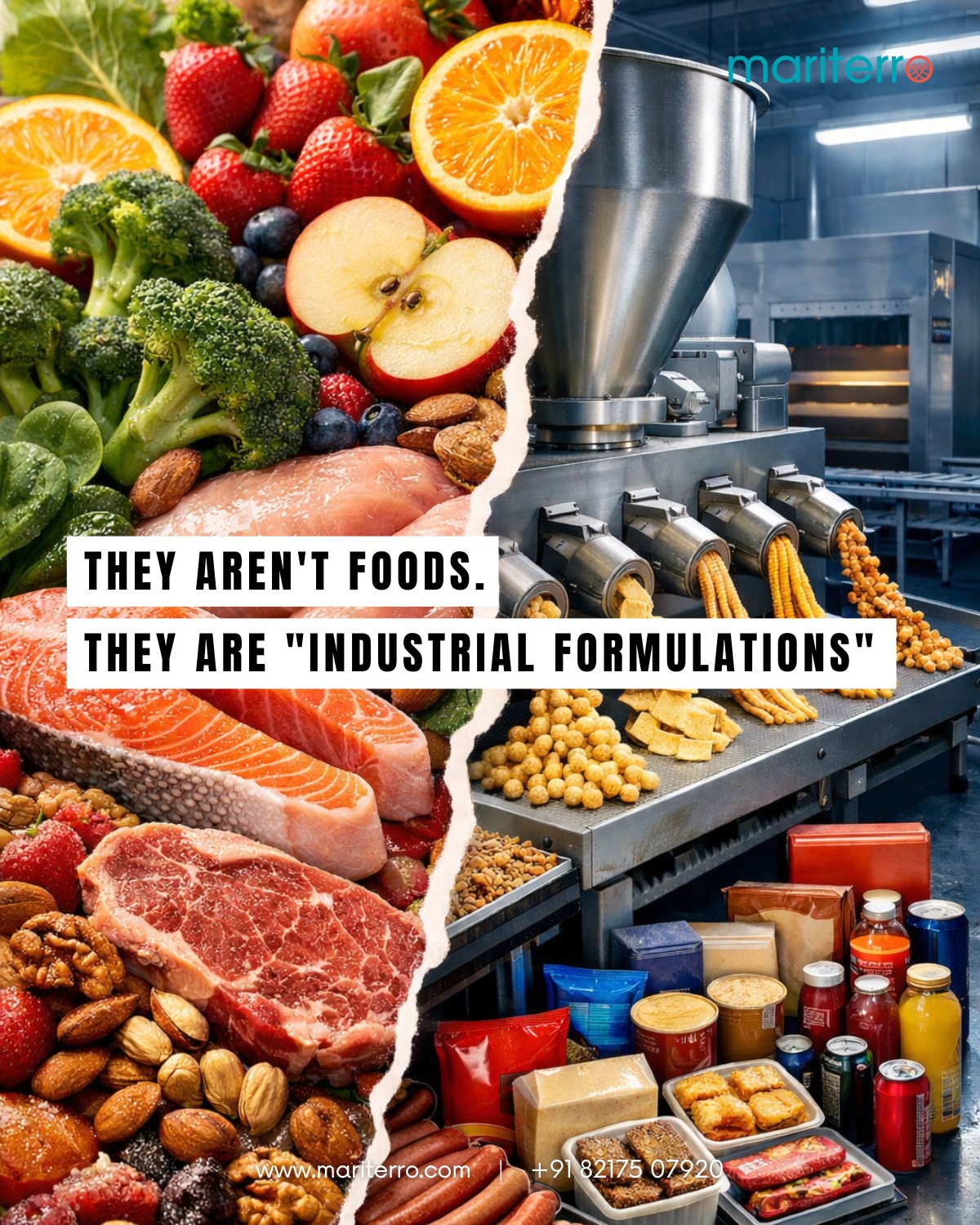
Not all processed food is harmful. The real issue begins when food is engineered rather than simply prepared.

Minimally Processed Foods (MPFs) are foods that remain close to their natural state. They undergo basic preparation methods—like cleaning, cutting, chilling, or pasteurization—without altering their core structure or nutritional integrity.

Click to read more.

Fresh Food vs Ultra Processed Food: Why Minimally Processed Foods Are the Future of Global Nutrition (2026)


The
global food system is undergoing a major shift. As awareness grows around the harmful effects of ultra processed food, consumers and industries are turning toward fresh food and minimally processed foods as the foundation of better health.

In 2026, this is no longer just a trend it’s a transformation driven by science, transparency, and digital traceability. The focus is shifting from convenience to biological compatibility, where food supports the body rather than disrupts it.

What is Fresh Food and Minimally Processed Food?

Fresh food includes natural, whole foods such as fruits, vegetables, seafood, and grains consumed in their original state. Minimally processed foods go one step further they are cleaned, cut, chilled, or frozen without altering their natural structure or nutritional integrity.

Unlike ultra processed food, these foods maintain their cellular structure, fiber, and essential nutrients, making them more compatible with human biology.

The Problem with Ultra Processed Food

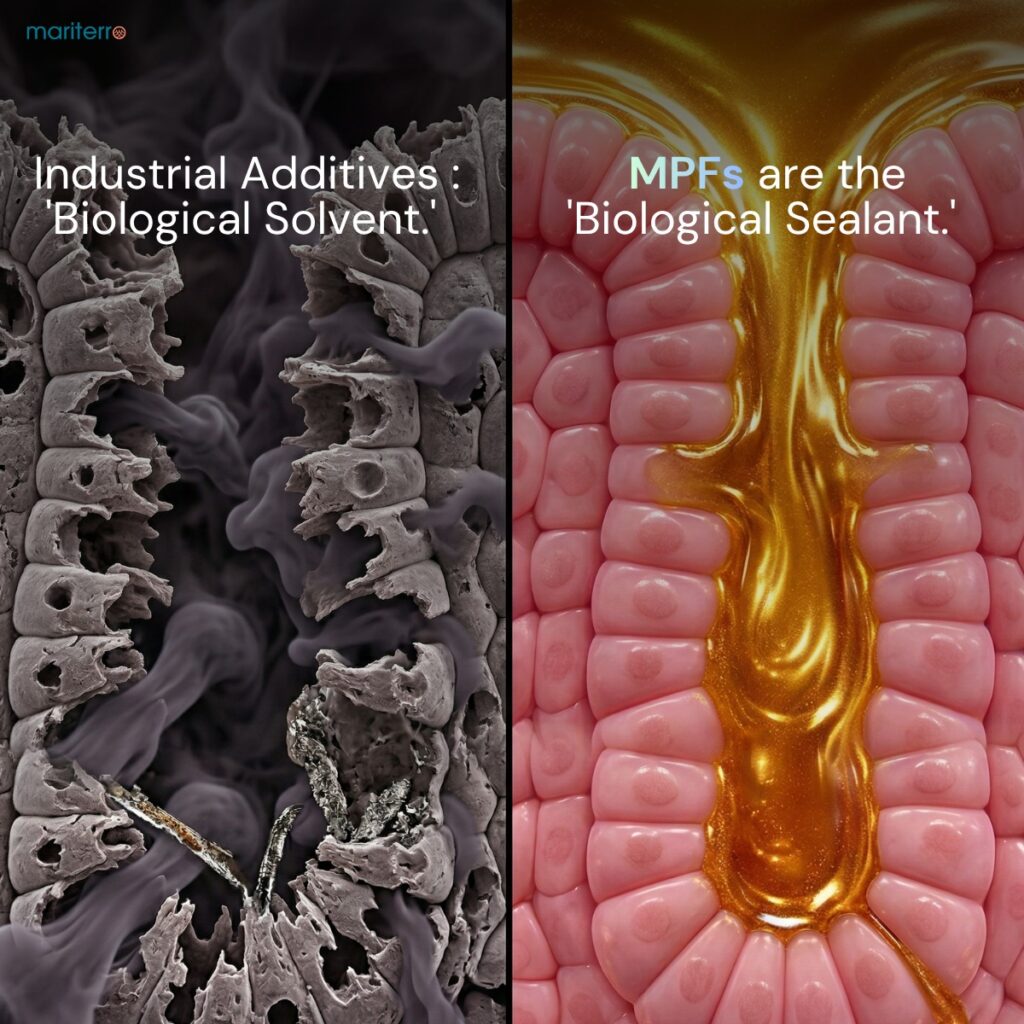
Ultra processed food is designed for shelf life, convenience, and taste enhancement. However, this often comes at the cost of nutrition. These foods contain artificial additives, preservatives, and refined ingredients that can disrupt metabolism, gut health, and natural hunger signals.

Regular consumption of ultra processed food is increasingly linked to inflammation, metabolic disorders, and reduced overall well-being.

Why Minimally Processed Foods Are Better for Health

Minimally processed foods provide nutrients in their most bioavailable form. They support:

  • Healthy digestion
  • Balanced metabolism
  • Natural hormone regulation
  • Improved gut health

Because they retain their natural composition, these foods help restore the body’s internal signaling systems affected by ultra processed diets.

The Role of Digital Traceability in Fresh Food

Digital traceability is transforming the global fresh food industry. It allows consumers and businesses to track food from its origin to the final destination.

This ensures:

  • Transparency in sourcing
  • Food safety and quality
  • Trust in global supply chains

In a world where consumers demand authenticity, digital traceability is becoming a key pillar of the global fresh food ecosystem.

Global Fresh Food Systems and the Future of Nutrition

Advancements in cold chain logistics and supply chain technology have made fresh food more accessible worldwide. Global fresh food systems now enable the delivery of high-quality, minimally processed foods across borders without compromising freshness.

This shift is redefining how we think about food—not just as fuel, but as a tool for long-term health and sustainability.

Ultra processed food vs minimally processed fresh food comparison showing impact on gut health and digestion

The Shift Toward Minimally Processed Foods in 2026

Consumers are becoming more conscious of what they eat and how it is processed. The shift toward minimally processed foods reflects a deeper understanding of nutrition, health, and transparency.

Choosing fresh food is no longer just a lifestyle choice—it is becoming a necessity in a world dominated by ultra processed options.

Conclusion

The future of food lies in simplicity, transparency, and integrity. Fresh food and minimally processed foods offer a powerful alternative to ultra processed food, supporting better health and sustainable food systems.

With the rise of digital traceability and global fresh food networks, consumers now have the tools to make more informed and healthier choices.

What is the difference between fresh food and ultra processed food?

Fresh food is natural and minimally altered, while ultra processed food contains artificial ingredients, additives, and preservatives that significantly change its original form and nutritional value.

Are minimally processed foods healthier than ultra processed foods?

Yes, minimally processed foods retain natural nutrients and support better digestion, metabolism, and overall health compared to ultra processed foods.

What is digital traceability in the food industry?

Digital traceability is a system that tracks food from its source to the consumer, ensuring transparency, safety, and quality in the supply chain.

Why is global fresh food important today?

Global fresh food systems ensure access to high-quality, nutrient-rich foods worldwide, supported by advanced logistics and traceability technologies.

Can switching to fresh food improve health?

Yes, replacing ultra processed food with fresh and minimally processed foods can improve gut health, reduce inflammation, and support metabolic balance.

What Does “Minimally Processed Food” Really Mean? 

what-is-minimally-processed-food-fresh-vs-ultra-processed-2026

Not all processed food is harmful. The real issue begins when food is engineered rather than simply prepared.

Minimally Processed Foods (MPFs) are foods that remain close to their natural state. They undergo basic preparation methods—like cleaning, cutting, chilling, or pasteurization—without altering their core structure or nutritional integrity.

Examples of Minimally Processed Foods

Common examples include:

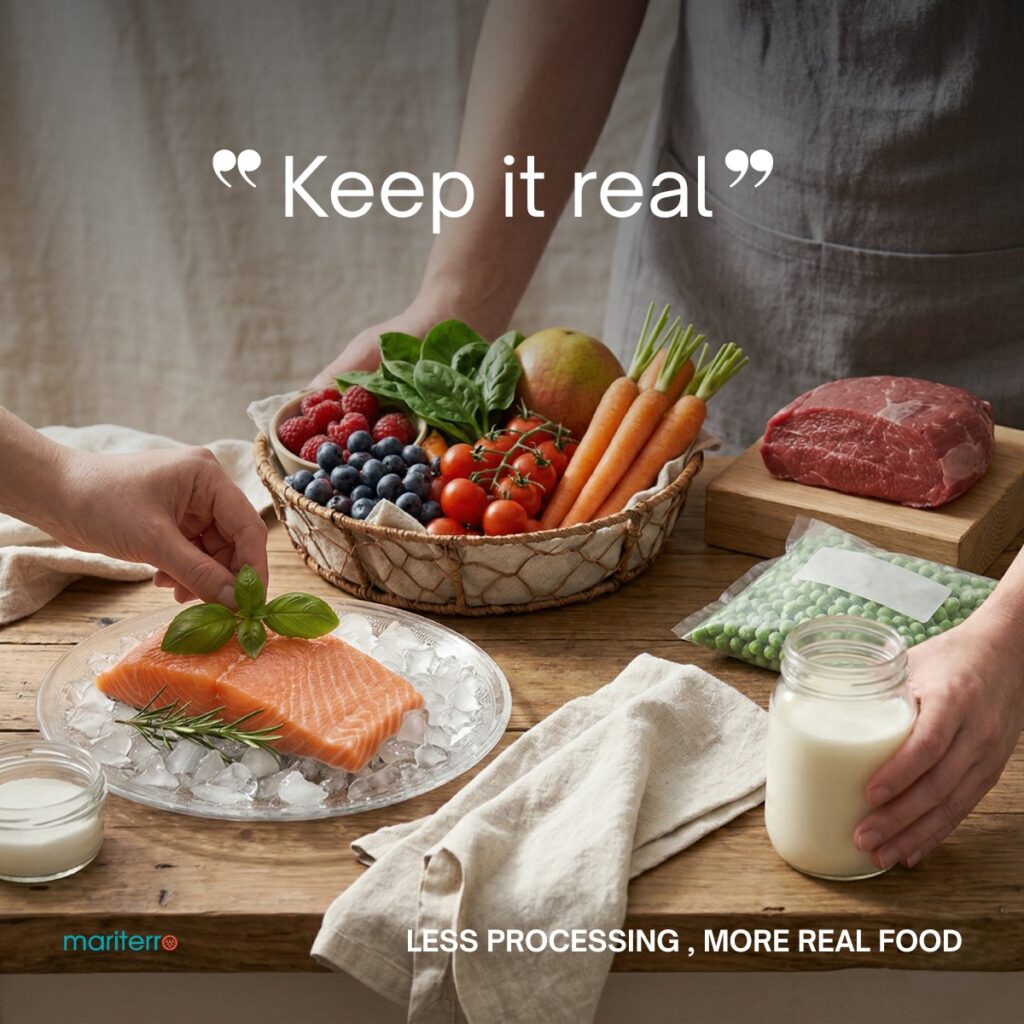
  • Fresh fish and seafood
  • Fresh fruits and vegetables
  • Clean-cut meats
  • Pasteurized milk
  • Fresh vegetables without additives

These foods are preserved through simple, natural methods—not chemical redesign.

Minimally Processed Food vs Ultra Processed Food

The difference lies in processing.

Minimally processed foods go through mechanical processes that maintain natural integrity. Ultra processed foods are created using industrial formulations, including additives, preservatives, and artificial ingredients that significantly alter the food.

 Why Minimally Processed Foods Matter

Nutritional Value Stays Intact

They retain essential nutrients, fiber, and natural compounds.

No Artificial Additives

They are free from synthetic chemicals and unnecessary ingredients.

Better Transparency

Fewer processing steps make it easier to trace food origin and quality.

Conclusion

The future of food is simple: less processing, more real food.

Choosing minimally processed foods helps improve nutrition, restore balance, and build a more sustainable global food system.

Frequently Asked Questions (FAQs)

What is minimally processed food?

Minimally processed food refers to natural foods that have undergone simple processes like cleaning, cutting, or chilling without altering their original structure or nutritional value.

What is the difference between minimally processed food and ultra processed food?

Minimally processed foods retain their natural composition, while ultra processed foods contain artificial additives, preservatives, and ingredients that significantly change the food’s structure and health impact.

Are minimally processed foods healthier than ultra processed foods?

Yes, minimally processed foods are generally healthier because they preserve nutrients, support digestion, and do not contain harmful synthetic additives.

What are examples of minimally processed foods?

Examples include fresh fruits, vegetables, seafood, clean-cut meats, whole grains, nuts, and pasteurized milk.

Why is fresh food better for health?

Fresh food provides natural nutrients, supports gut health, and helps maintain metabolic balance without the negative effects of artificial ingredients found in ultra processed foods.

How can I identify ultra processed food?

Ultra processed foods usually have long ingredient lists, artificial additives, preservatives, and are far removed from their natural form.


send an enquiry

Tell us more about your requirement.

Our Team will get touch with you in 24 Hours